How to Become a Full-Stack Web Developer in 2024

Inder Pal Singh
Last Updated
22 Sept 2024
Quick Summary
Web development has become one of the most sought-after skills in today's digital world. Full-stack developers, in particular, are highly valued for their ability to work on both front-end and back-end tasks, making them versatile problem-solvers. Whether you're just starting your journey or looking to sharpen your skills, this guide will help you understand the essentials of full-stack development in 2024.
1. Understanding Full-Stack Web Development
1.1 Definition of Full-Stack Development
Full-stack development refers to the ability to work on both the client-side (front-end) and server-side (back-end) of web applications. A full-stack developer can handle everything from designing user interfaces to managing databases and servers. Essentially, these developers are jacks of all trades who can see a project through from start to finish.
1.2 Front-End vs. Back-End vs. Full-Stack
- Front-End Development focuses on what users see and interact with on a website. It involves technologies like HTML, CSS, and JavaScript, as well as frameworks like React, Vue, or Angular.
- Back-End Development is all about the behind-the-scenes work. This includes managing servers, databases, and application logic using languages such as Node.js, Python, or Ruby.
- Full-Stack Development combines both, meaning full-stack developers understand the intricacies of user interfaces and the technical complexity of server-side functions.
1.3 The Importance of Full-Stack Skills in 2024
In 2024, the demand for full-stack developers is higher than ever. As companies shift towards digital-first strategies, having a developer who can handle both sides of the stack is invaluable. This versatility allows for faster development cycles, better communication between teams, and more efficient problem-solving.
2. Essential Skills for Full-Stack Developers
2.1 Front-End Technologies
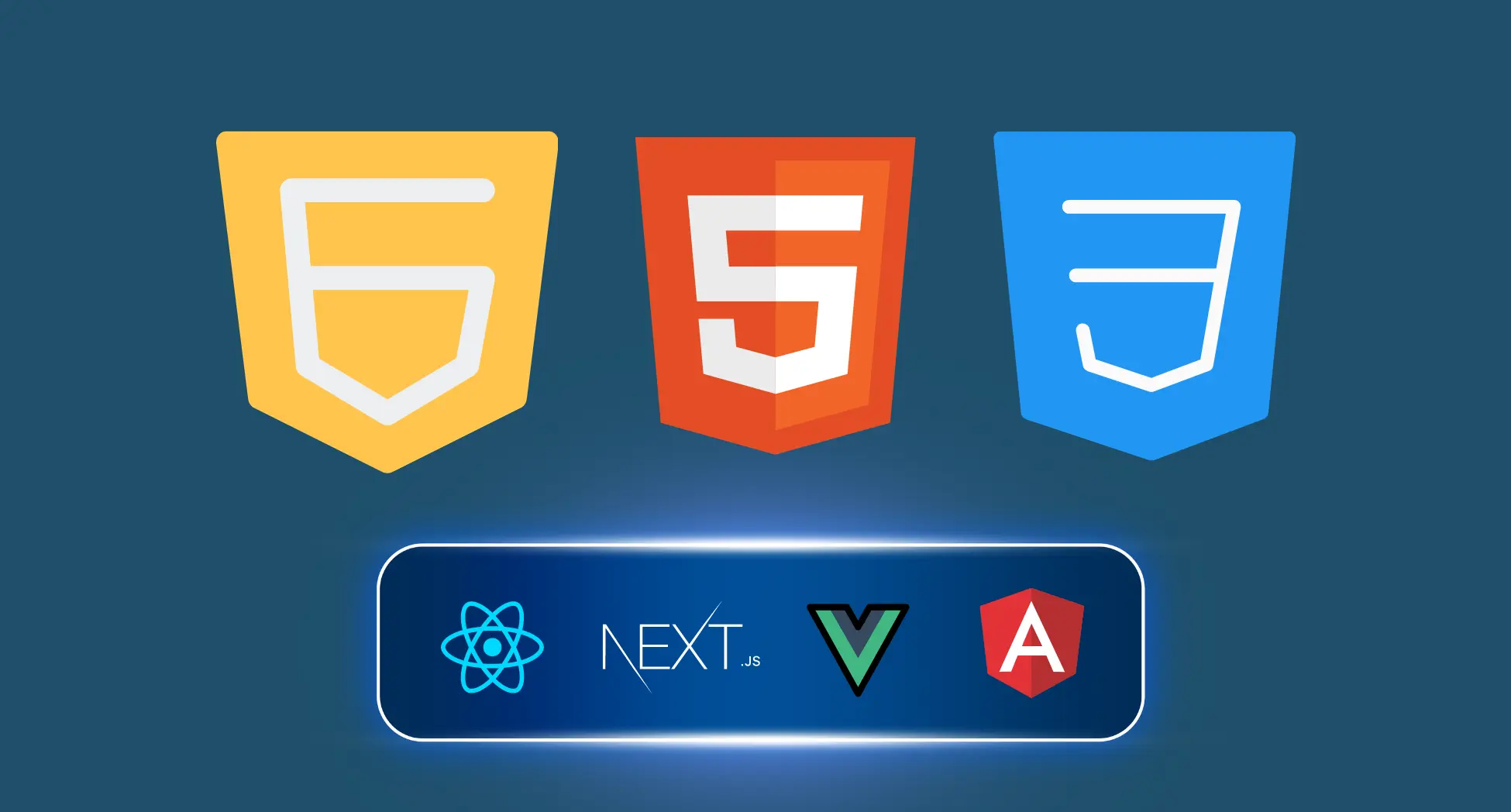
- HTML, CSS, and JavaScript form the foundation of any website. These languages help structure and style content and add interactivity.
- Modern Frameworks such as React, Vue, and Angular are essential in 2024. They simplify the development of complex user interfaces and enhance the overall user experience. Learning at least one of these frameworks is crucial for any aspiring full-stack developer.
2.2 Back-End Technologies
- Server-Side Languages like Node.js, Python, and Ruby power the back-end of web applications. These languages allow developers to write the logic that drives a website’s functionality.
- Databases are where data is stored, retrieved, and managed. Full-stack developers should understand both SQL (e.g., MySQL, PostgreSQL) and NoSQL (e.g., MongoDB) databases to handle different types of data efficiently.
2.3 DevOps and Deployment
- Version Control: Git has become the industry standard for version control. It's essential for tracking changes in code and collaborating with other developers seamlessly.
- Cloud Platforms: With the rise of cloud computing, platforms like AWS, Google Cloud, and Azure are increasingly used to deploy, scale, and manage applications. Familiarity with these platforms will help you deploy applications more efficiently.
3. Learning Path
3.1 Foundational Knowledge
- Computer Science Basics: Understanding algorithms, data structures, and system design is crucial for any developer. These basics lay the groundwork for solving real-world problems in web development.
- Web Development Fundamentals: Before diving into frameworks and libraries, it’s essential to understand the core concepts of web development, such as how the web works, HTTP requests, and the client-server model.
3.2 Specialization in Chosen Technologies
While being a generalist has its advantages, specialization can make you stand out. Choose a set of technologies that align with your career goals. For example, if you’re interested in building scalable applications, focus on mastering Node.js and React.
3.3 Building Projects and Portfolio
The best way to solidify your skills is through hands-on experience. Build projects that showcase your ability to handle both front-end and back-end tasks. This could be anything from a personal blog to an e-commerce platform. Make sure to host your code on platforms like GitHub, and create a portfolio that highlights your work.
3.4 Continuous Learning and Staying Updated
Technology evolves rapidly, and the web development world is no exception. Staying updated with new frameworks, libraries, and best practices is critical for long-term success. Follow relevant blogs, attend webinars, and participate in coding communities to keep your knowledge current.
4. Gaining Practical Experience
4.1 Personal Projects
Starting with personal projects is a great way to practice. You can experiment with different technologies and frameworks, solving real problems while building up your portfolio.
4.2 Open-Source Contributions
Contributing to open-source projects is an excellent way to gain practical experience while collaborating with other developers. It also helps you build a reputation within the developer community.
4.3 Internships or Entry-Level Positions
Many companies offer internships or junior developer positions for aspiring full-stack developers. These roles provide an opportunity to work on real-world projects under the guidance of experienced professionals, accelerating your learning curve.
5. Career Opportunities and Growth
5.1 Job Roles for Full-Stack Developers
Full-stack developers can work in various roles, from web developers to software engineers, and even as lead engineers managing entire development teams. Their versatility opens the door to many opportunities in both startups and established companies.
5.2 Industry Demand and Salary Expectations
The demand for full-stack developers is booming in 2024, driven by the need for more efficient and adaptable teams. Salaries for full-stack developers are competitive, with experienced professionals earning well above industry averages.
5.3 Future Trends in Full-Stack Development
As technology advances, so do the tools and frameworks available to developers. The rise of AI, serverless architectures, and the increasing popularity of JavaScript frameworks means full-stack developers must continue learning and adapting. By staying on top of these trends, you'll position yourself for long-term success in this field.
Whether you're starting from scratch or looking to advance your skills, full-stack development is a rewarding and challenging path. By mastering both front-end and back-end technologies, gaining practical experience, and staying up to date with industry trends, you can build a successful career in one of the most in-demand fields of 2024.
About Gurcademy
Gurcademy is Jammu’s AI First software career institute, focused on making students job-ready for modern tech roles. We train beginners, freshers, and non-IT students to build real, industry-relevant software using AI — not outdated, theory-heavy courses. Our programs are designed with a job-first approach, guided by experienced mentors, practical projects, and AI-driven workflows that reflect how companies work today. Students benefit from flexible batches, hands-on training, and structured placement assistance. Beyond training, Gurcademy provides end-to-end career support including real-world projects, interview preparation, internships, and recognized certifications — ensuring students are confident, capable, and employable.